
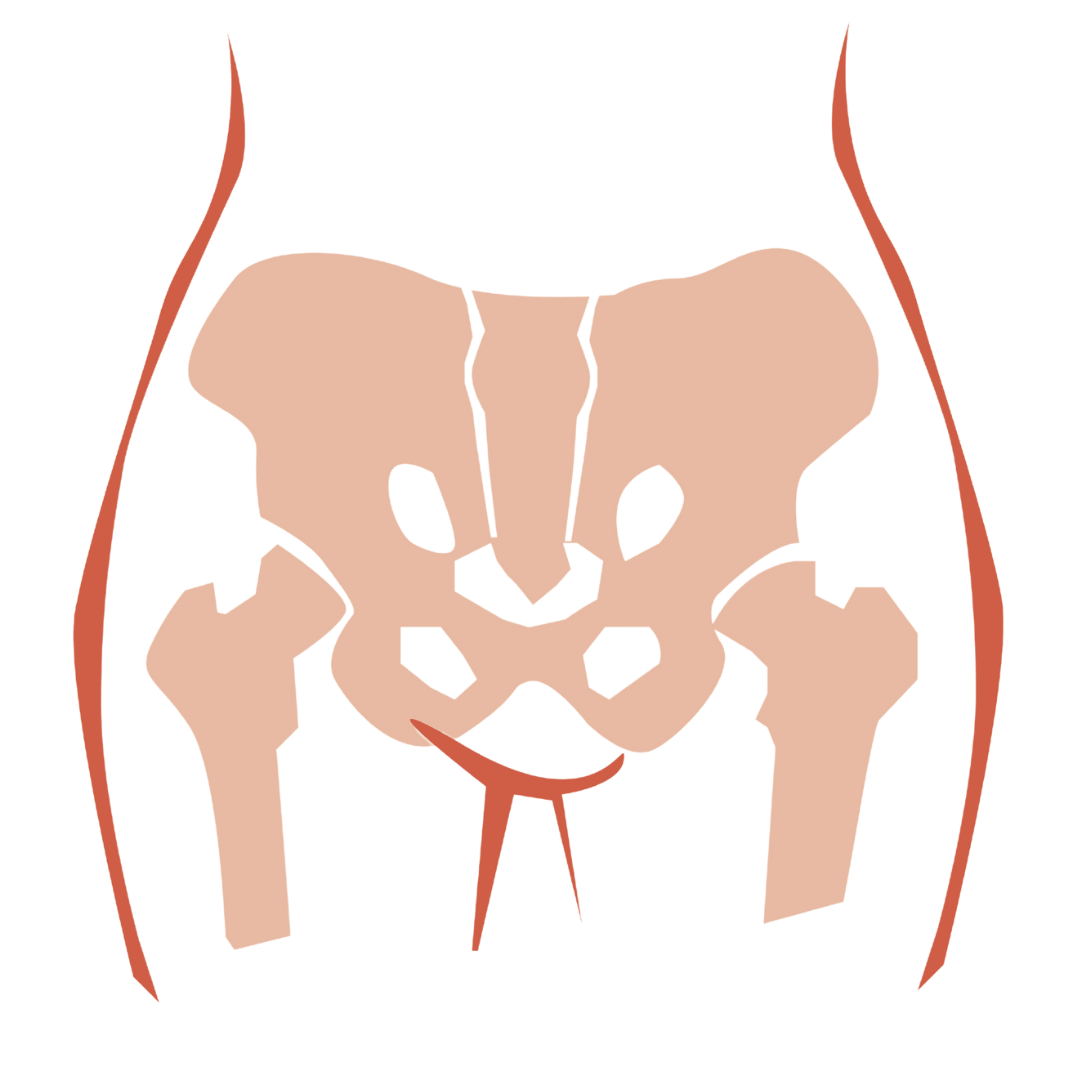
This area is hugely complex and delicate. This covers pain experienced in the pelvic region, abdomen, pelvic floor or pelvic organs. This may occur due to pathology eg. Endometriosis, Adenomyosis, joint laxity, or many other potential reasons. In this space, we will flesh out your story. When did the pain start? What is the timeline? Deeper questions about your bladder and bowel. Is there pain with intercourse? What are your periods like?
All the organs and muscles and ligaments in and around the pelvis are connected either neurally or through fascia which is why a physio can help. Our aim is to work with your body to desensitise your nervous system. Maybe to downtrain over worked connective tissue and muscles. Educate about bladder and bowel habits.
We love working with chronic pelvic pain and trying to figure out how it all fits together. This is where our connection with the patient on an emotional level as well as using our hands and science brain come to their own.
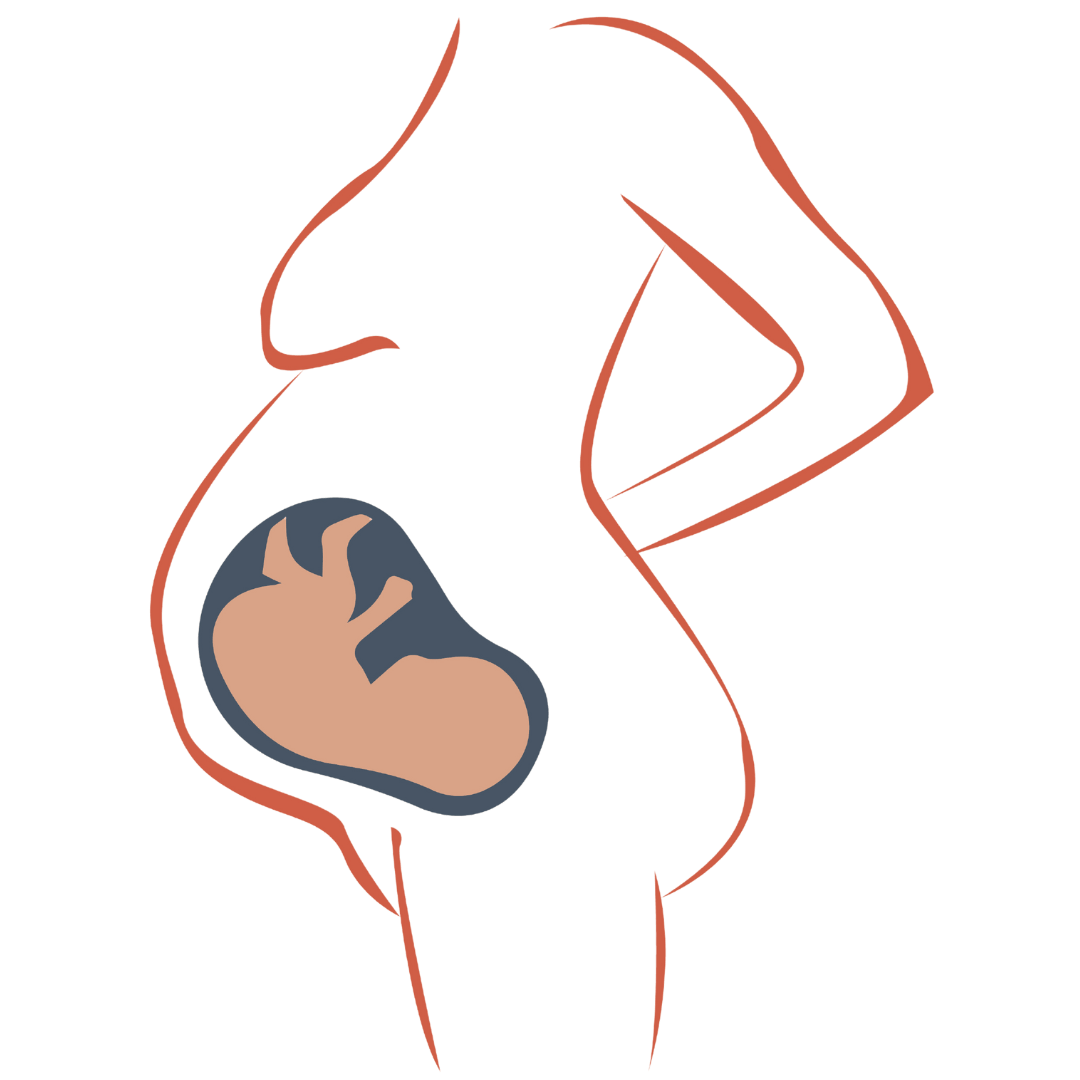
Our aim in this space is to prepare and empower. We know pregnancy is a special time. We would love to see you during pregnancy to prepare your body for the hormonal ligamentous and musculoskeletal changes that occur. We are passionate about birth and preparing your body for birth. However way the baby comes out. For example, for the baby to be born vaginally, the pelvic floor has to be able to move well. Lets make it optimal. This may help prevent physical birth trauma. It might be strengthening, it might be lengthening. We will also discuss birth and labour positions and strategies to open hips and thorax to create space.
It is your body and we will work with you to aim for your optimal birth. It might not happen that way as we know birth can be unpredictable, however we would love to give you loads of education to empower you to be able to make choices and come out the other side saying ‘I understood and was in control’. Rather than ‘I wish I had have known that’. Again this will involve a whole body approach plus an internal exam (with consent) and likely real time ultrasound to assess your pushing technique if a vaginal birth is desired. We are also here to treat pregnancy related aches and pains.
We also offer TENS machine hire, speak to us at your appointment about this.
However your baby was born, your body has been through a lot. We are here to assess your abdominal wall, pelvic floor and whole body to prevent further damage and to build you back up. We use research and clinical knowledge to assess your body and readiness for return to your chosen exercise.
We love to be on the front foot here and prevent injury as well as manage potential injury from the birth process. External assessment, ultrasound to measure your abdominal separation and potential internal exam to assess the length and strength of your pelvic floor will be done here. Expect an exercise plan to help strengthen your body tailored to your goals.
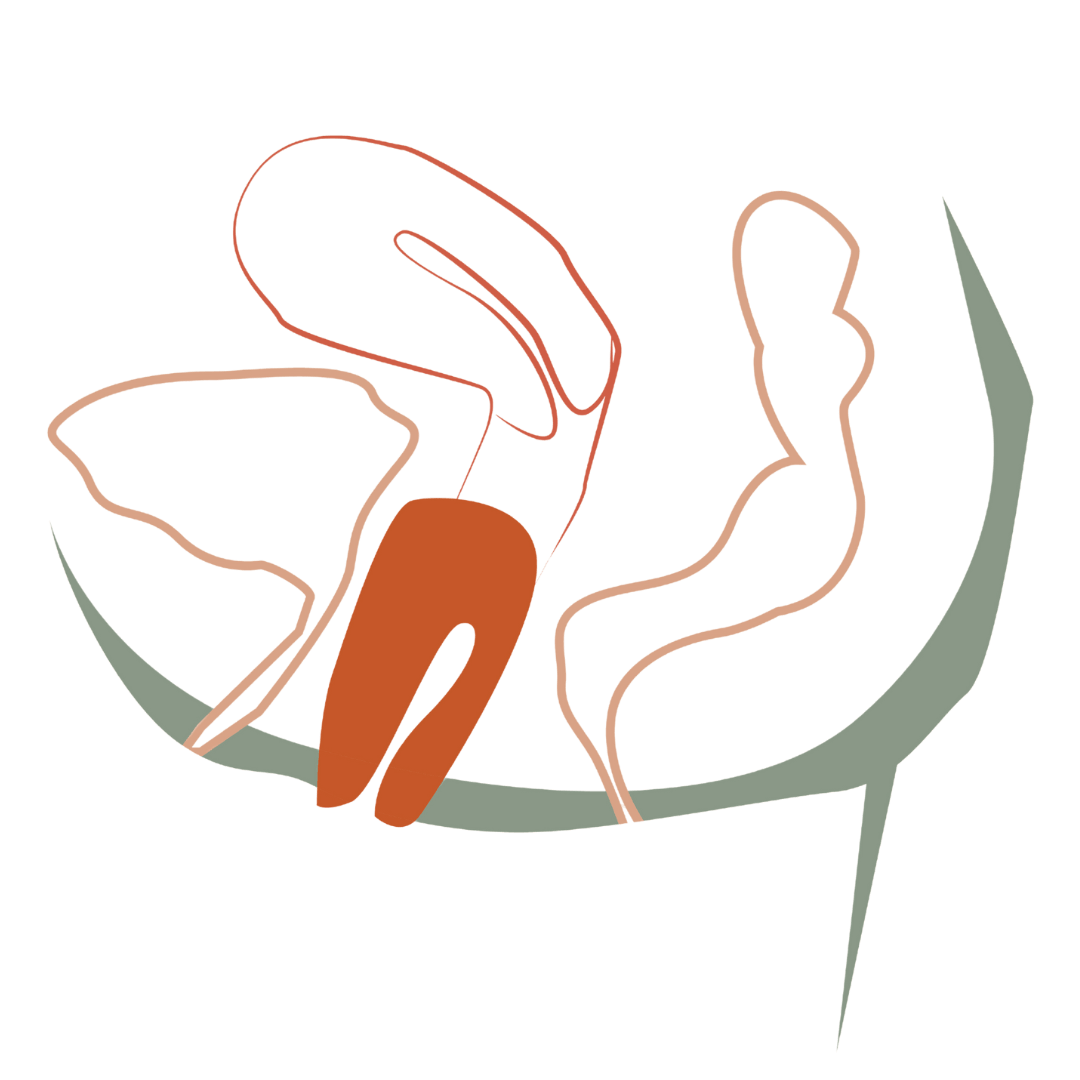
Pelvic Organ Prolapse is the descent of 1 or more of the pelvic organs into the vagina, plus obstructed urinating or defecating and/or symptoms. We know this label is scary so we are delicate in our approach to ensure you absolutely have a prolapse before labelling you with one. We will assess your whole body and ‘connect’ the dots to determine what we can do to help. This is more than likely be an internal examination plus Real Time Ultrasound to see what the organs are doing in real time.
Is the prolapse due to muscles weakness? Or perhaps connective tissue not offering enough support? Or maybe it is due to too much pressure in your abdomen? Or something else entirely. We will figure it out and help you feel better.
A pessary is a silicon device used to manage prolapse. It is inserted into the vagina and acts as a ‘brace’ to hold the organs in place. Think about this not dissimilar to a knee brace.. holding the knee in place if the ligaments are supportive enough. Some women use a pessary all the time, others may need it for a bit of support to play support. There are loads of different shapes and sizes and absolutely tailored individually.
Stress Urinary Incontinence is the leakage of urine when you are doing something that causes in increase in abdominal pressure. For example, a cough, sneeze, jumping or running. This may be due to a dysfunction to the closing pressure of the urethra, or a lack of support of the structures responsible for holding the urethra and bladder in place to withstand external pressures…or a combination.
Thorough assessment is important to determine the cause and thus the appropriate treatment plan. This will involve a thorough musculoskeletal assessment as well as assessing the pelvic floor fascia and muscles, either with an internal exam and/or real time ultrasound. For example, we use real time ultrasound to see in ‘real time’ how your tissues respond to a cough, and if the leaking is due to the urethra not closing due to its internal support or external support. Sporting and birthing history as well as hormonal profile play a key role in determining the cause of incontinence also.
It’s important to understand that not all women who leak have ‘weak’ pelvic floors. Incontinence is truly complex, there is no one size fits all solution, but we tailor our approach individually.
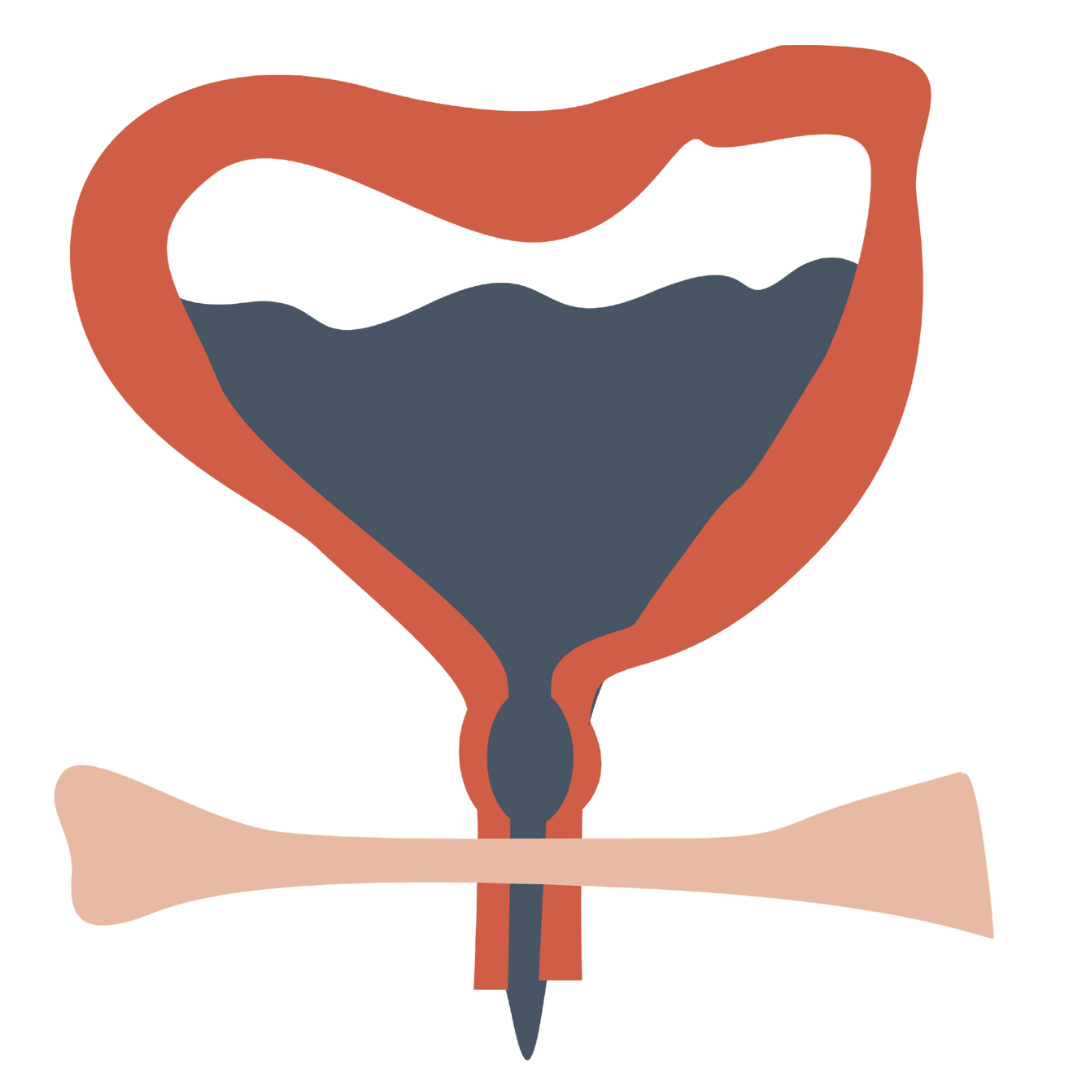

Bladder pain can present in many ways from pelvic discomfort and urinary urgency to pain with sex or even bowel symptoms. At our clinic, we take a whole-body, team-based approach. We work closely with your GP, specialists, and other health providers to support you in managing symptoms and flare-ups.
Your care begins with listening to your story. When did this start? What was your bladder like as a child? We follow with a gentle assessment (internal only with your consent), and together, we create a personalised treatment plan. This may include pelvic floor therapy, bladder retraining, calming techniques for the nervous system, and strategies for managing sleep, stress and movement.
Constipation, pain, urgency, or difficulty with emptying the bowels can significantly affect daily comfort and quality of life. We take time to understand your symptoms, routines, diet, and overall wellbeing to identify what’s contributing to the problem.
Where appropriate, we may use real-time ultrasound or perform a vaginal internal or rectal assessment (with your consent) to better understand how your muscles are functioning.
Treatment typically involves education about bowel function, techniques to improve emptying without straining, and strategies to support both strength and relaxation of the pelvic muscles. We also address posture, core control, and any prolapse-related symptoms.

Painful intercourse, also known as dyspareunia, happens when sex feels uncomfortable or painful, either during or after. It might be painful at the entrance of the vagina, or deeper inside. Figuring out the cause of the discomfort is key to management.
There may be a pathology such as endometriosis or recurrent UTI’s that is contributing to the pain; or perhaps pain following trauma either emotional or physical; or there might be painful intercourse as a result of musculoskeletal issues such as a painful hip!
Obviously, assessment and treatment does not have to be painful, and we do not have to do an internal exam. We will work with you to assess and manage your symptoms.

Mastitis is an inflammatory condition within the breast tissue. This may or may not be an infection. Symptoms may include, red, hot swollen breast with a lump and flu or fever like symptoms. Research has suggested that because this may not be an infection, antibiotics can be avoided if treated using anti-inflammatory measures.
Physiotherapy techniques for mastitis include:
The hormonal shifts during menopause can impact everything from your bones and bladder to your mood and energy levels. While the transition is natural, the changes can be challenging. Whether you’re experiencing bladder leaks, pelvic heaviness, vaginal discomfort, or joint aches, we can work with you.
We support you with tailored, evidence-based care focused on strength, balance, pelvic health, and overall wellbeing. We begin with a thorough discussion about your symptoms and goals. Assessments may include pelvic floor function, breathing, posture, and core control — with internal exams only if you’re comfortable. Treatment may involve guided exercise, hands-on techniques, pelvic floor care, and education to help you feel confident in your body.
Initial appointment – generally 45 minutes, or potentially an hour. This will cost $175 or $190 respectively.
Follow up appointments – 45 minutes or 30 minutes. This will cost $165 or $125 respectively.
You do not need a referral, however if you do have one, and with your consent, we will continue to liaise with your referrer to ensure continuity and holistic care.
No you do not. You are in charge of your body and your treatment and management. We will suggest assessment and management that we believe to be best practice for your individual case, however if you’re uncomfortable with an internal exam, we have real time ultrasound which can also give us a lot of information.
This is a personal decision. Not a problem for us and assessment and treatment will not be changed if you have your period. This one depends on what your comfortable with.
Absolutely yes. We have some books and toys for the kids in the clinic. We also do our best to take care of them, and if our reception staff are able, they will happily watch, hold, rock your baby and kids while you’re having treatment. This may not always be possible, but we as therapists are happy for kids to be in the room and we are well practiced at multi-tasking!
Book in for the next available that suits you, then send us an email to info@herconnectionphysio.com.au and we will put you on the waiting list. We will contact you if there has been a cancellation to see if you’re available.